

Public Sector Innovation for Smarter Government Systems
DGL helps public organizations modernize digital governance, citizen services, smart public systems, infrastructure, transparency, and accountability so agencies can deliver faster, clearer, and more trusted public outcomes.
Modern government needs practical invention, not theatre.
The strongest public sector programs connect mandate, resident need, operational capacity, and measurable accountability before technology choices are locked in.
Mandate clarity: define what must change, who benefits, and how success will be evidenced.
Service reality: design around front-line workload, assisted access, and resident confidence.
Build decision systems citizens can trust.
Governance becomes usable when policy, funding, risk, service ownership, and evidence are visible in the same operating rhythm.
Translate legislation, standards, and ministerial priorities into practical delivery guardrails.
Use readiness evidence before expanding pilots, funding releases, or citizen-facing changes.
Clarify who approves service rules, data sharing, operating changes, and exception handling.
Track access, timeliness, quality, fairness, and cost without burying leaders in reports.

Applications, reviews, inspections, benefits, and appeals move through controlled workflows.
Identity, notifications, forms, booking, payment, and status updates work across services.
Digital services include contact center, counter, field, and community partner support.
Demand, bottlenecks, compliance risk, and staff capacity are visible early enough to act.
Design services around life events, not agency silos.
Residents should not need to understand internal structures to get help, prove eligibility, or track a request.
Find
Plain-language entry points and clear eligibility cues.
Apply
Shorter forms, saved progress, and assisted submission.
Track
Visible status, next steps, and expected response windows.
Resolve
Escalation routes and feedback loops for service recovery.
Give policy teams usable evidence before decisions harden.
Policy design improves when operational data, community feedback, cost signals, and compliance constraints are considered together.
Demand, equity, channel friction.
Funding pressure and operating load.
Legal, privacy, delivery, adoption.
The result is a policy evidence pack with service implications, measurable outcomes, and decision tradeoffs leaders can understand.
Use AI where it improves service judgment, not where it hides accountability.
Public AI must be explainable, reviewed, secure, and grounded in clear operational ownership.
Summaries and routing suggestions for human review.
Extract required evidence from forms and case files.
Bias review, access controls, audit logs, and escalation.
Plain-language guidance with clear human help options.
Modernize the public platform without forcing every service into the same mold.
Secure landing zones, resilience patterns, and environment standards.
APIs, event flows, data exchange, and legacy interoperability.
Reusable capabilities for forms, workflow, notifications, and analytics.
Disaster recovery, cyber readiness, accessibility, and vendor assurance.
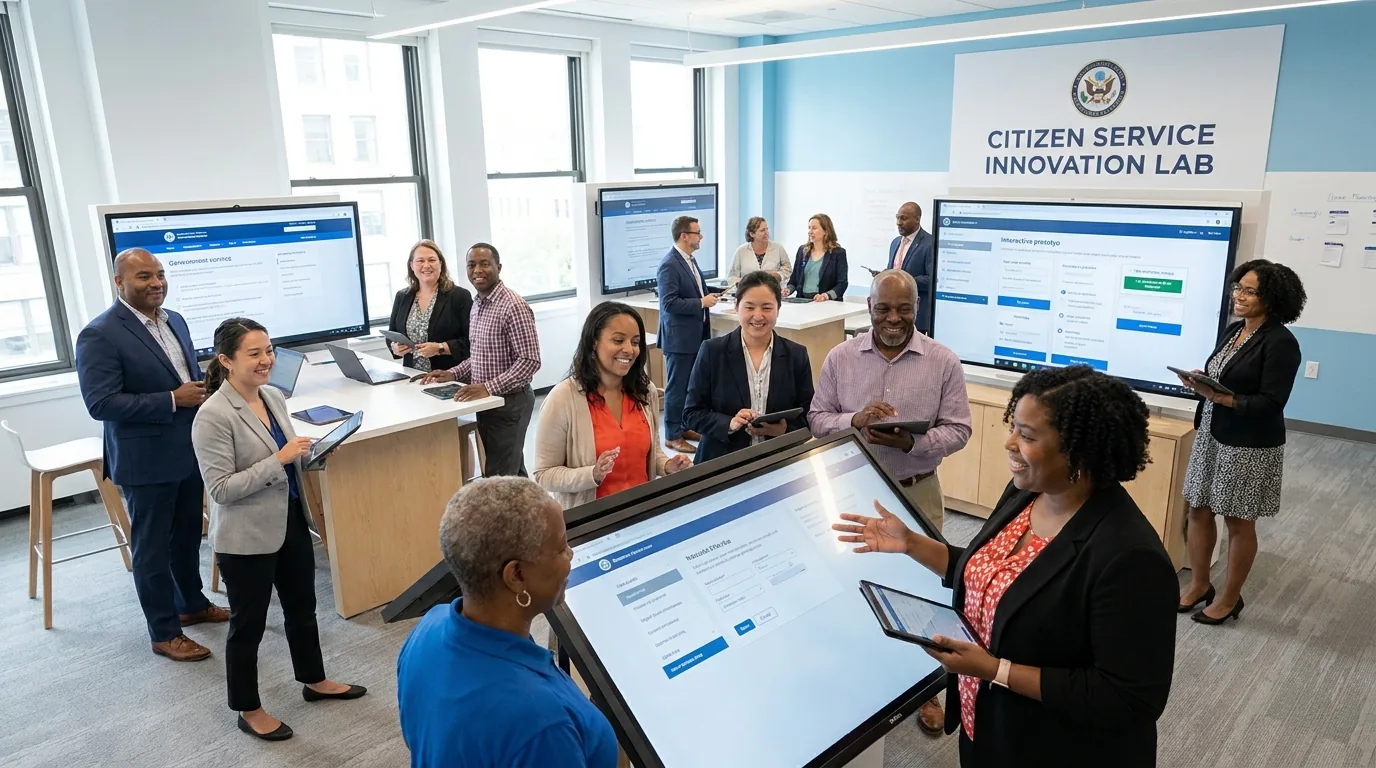
Standardize the foundation, personalize the service.
Make accountability part of the service, not a separate reporting exercise.
Public organizations need controls that are visible, testable, and practical for busy teams.
Track decisions, evidence, approvals, and exceptions from request to outcome.
Embed consent, retention, data minimization, and access controls into service workflows.
Review content, forms, channel choice, and assisted routes before release.
Publish meaningful measures that explain progress, quality, and service constraints.
Case evidence should read like a public value record.
Each initiative is assessed by the resident problem solved, the operating change made, and the evidence that service quality improved.
Permit acceleration
A redesigned intake model reduced incomplete submissions and gave reviewers clearer decision evidence.
Benefits access
Assisted digital channels helped residents complete applications without repeating information across departments.
Asset coordination
Shared work queues aligned maintenance, finance, and field teams around risk and service priority.
The next public service model is adaptive, evidence-led, and easier to govern.
Agencies can move faster when the operating model is designed for continuous improvement rather than periodic reinvention.
Programs update as demand, evidence, and legal duties change.
Common foundations reduce duplication while preserving service context.
Leaders can see public outcomes, cost, risk, and quality together.
Map the next service citizens should experience differently.
Start with one high-value public service, clarify the mandate, diagnose the operating friction, and define the evidence needed for confident modernization.