

Transport & Infrastructure Solutions for Connected, Efficient OperationsTransport & Infrastructure Solutions for Connected, Efficient Operations
DGL helps transportation agencies, infrastructure organizations, and mobility programs modernize operations, improve visibility, support critical assets, and deliver more efficient services across complex transport environments.
Modernize networks, assets, services, and field operations as one connected environment.Modernize networks and field operations together.
Transport and infrastructure teams operate across routes, corridors, depots, stations, terminals, construction sites, control rooms, and public-facing service channels. DGL helps turn that complexity into clearer operating models, practical digital roadmaps, and better day-to-day visibility.
Shared views of service status, capacity, incidents, and field activity.
Planning, delivery support, asset data, and governance for critical works.
Improve service reliability while managing aging assets and rising demand.
Authorities and operators need decisions that connect customer impact, safety risk, maintenance windows, project constraints, funding, and live operational pressure.
Congestion & Disruption
Coordinate incident response, diversions, roadworks, passenger updates, and cross-agency decisions.
Aging Infrastructure
Prioritize renewal activity using asset condition, service risk, safety requirements, and budget cycles.
Multi-Modal Complexity
Align roads, transit, rail, ports, airports, freight, active travel, and public works programs.
Safety & Compliance
Maintain evidence for inspections, permits, work orders, safety cases, and regulatory reporting.
Practical support across the transport operating model.
We focus on the capabilities that help teams plan better, operate with clearer information, and keep infrastructure programs moving.
Service planning, demand analysis, route changes, passenger information, and accessibility improvements.
Asset registers, inspections, work orders, lifecycle planning, and maintenance prioritization.
Project controls, portfolio reporting, stakeholder coordination, risks, dependencies, and benefits tracking.
Dashboards, operational metrics, integration planning, data quality, and decision-ready reporting.
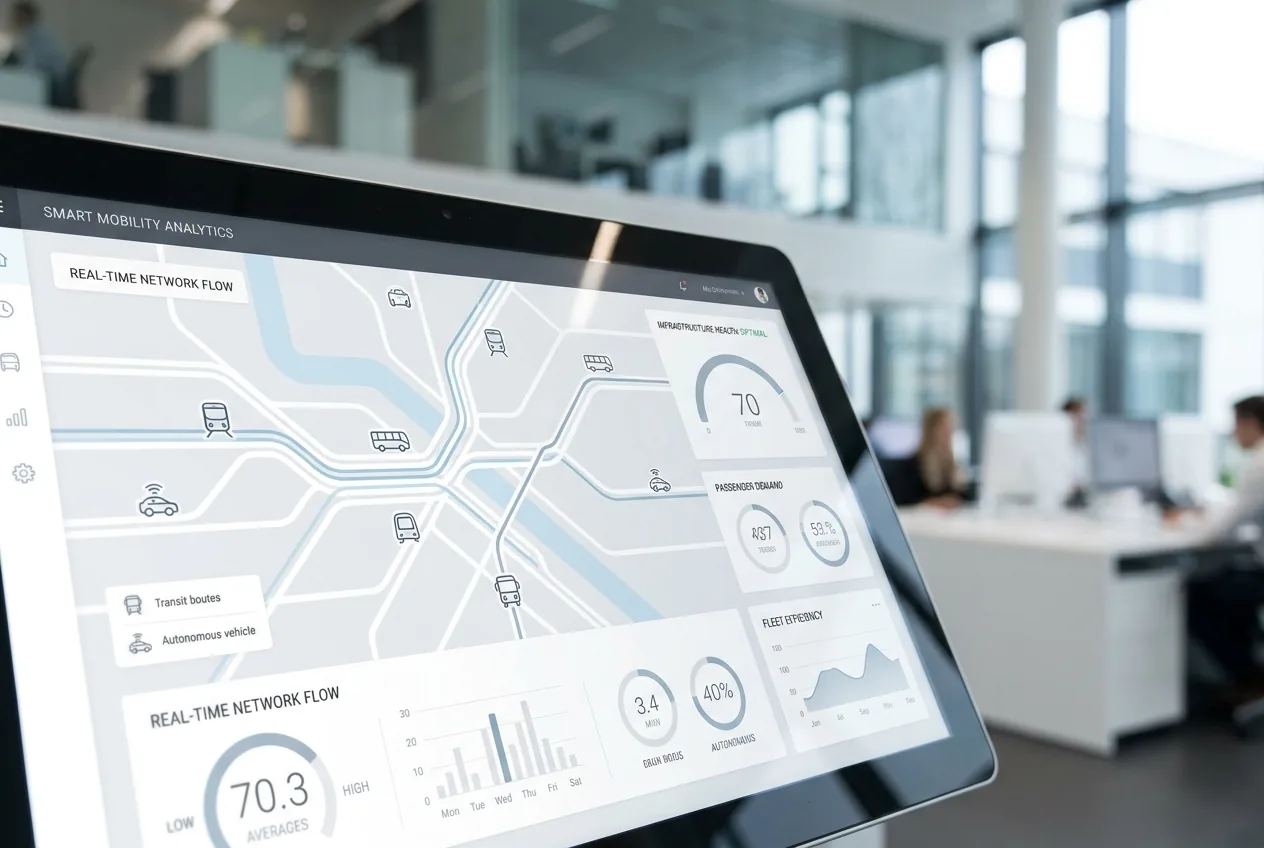
Give operations teams a clearer picture of what is happening across the network.
DGL helps define control-room workflows, field reporting, incident coordination, traffic and passenger insights, and service performance routines that support quicker decisions.
Traffic, service, asset, weather, and incident signals.
Dispatch, diversions, field crews, partners, and public updates.
Pattern analysis, service reliability, and improvement actions.
Connect live service, traffic, asset, and field activity into operational views.
Define escalation paths for incidents, closures, safety issues, and public communications.
Use performance evidence to adjust plans, maintenance windows, and service priorities.

Plan maintenance and investment with better asset evidence.
We help infrastructure teams improve asset hierarchies, condition records, inspection workflows, risk scoring, renewal plans, and reporting so work is easier to prioritize and justify.
Link condition, criticality, maintenance history, service impact, and replacement timing.
Capture defects, photos, permits, safety checks, and work orders with cleaner handoffs.
Support each mode without losing the shared network view.
DGL helps teams coordinate mode-specific requirements while keeping performance, asset, safety, and project information consistent across the wider portfolio.
Roads & Highways
Corridor programs, closures, inspections, pavement data, traffic signals, safety actions, and work coordination.
Rail Networks
Station operations, track assets, possession planning, service impacts, compliance records, and passenger information.
Ports & Logistics
Gate flows, berth activity, freight handoffs, customs data, yard visibility, and partner coordination.
Airports
Terminal operations, landside access, asset maintenance, safety processes, service recovery, and capital works.
Make operational information easier to trust, share, and act on.
Transport organizations often depend on disconnected systems for assets, incidents, projects, finance, GIS, customer channels, and workforce planning. We help define integration priorities and reporting models that fit real operating needs.
Network status, incident queues, work backlogs, service performance, and risk indicators.
Asset IDs, location models, quality checks, ownership, retention, and integration patterns.
Location: GIS, routes, corridors, stops, stations, terminals, depots, and assets.
Time: service windows, works programs, inspections, delays, and response targets.
People: dispatchers, engineers, operators, contractors, partners, and public users.
Performance: reliability, safety, utilization, cost, backlog, and customer impact.
Move from current-state pressure to practical delivery waves.
We shape delivery around operational readiness, data quality, stakeholder alignment, adoption, and measurable network value.
Map operations, systems, data, assets, risks, and delivery constraints.
Select improvements with clear service, safety, resilience, or cost value.
Define governance, roles, data owners, vendors, and implementation cadence.
Measure adoption, service impact, reliability, and the next release priorities.
Focus improvement on visible operating value.
The goal is not another isolated system. It is better coordination, clearer evidence, and services that are easier to plan, operate, and sustain.
Better visibility of disruptions, bottlenecks, work windows, and response actions.
Improved planning for severe weather, asset failures, demand peaks, and service recovery.
Clearer evidence for inspections, incidents, permits, risks, and compliance actions.
Shared routines across agencies, operators, contractors, engineering teams, and public works.
Portfolio decisions tied to asset condition, service impact, funding, and delivery readiness.
More reliable information for passengers, road users, freight partners, and communities.
Bring agencies, operators, engineering teams, vendors, and communities into the same delivery rhythm.
Transport improvement depends on coordination across organizational boundaries. DGL helps structure governance, decision forums, delivery roles, and reporting routines that keep work practical and accountable.
Shared priorities, constraints, risk appetite, and service outcomes.
Decision paths, working groups, escalation, and stakeholder updates.
Adoption support, reporting cadence, benefits evidence, and continuous improvement.
Cross-Agency Governance
Clear boards, working groups, decision rights, and dependency tracking.
Operational Adoption
Training, role design, field feedback, service desk readiness, and change support.
Public Communication
Service notices, community engagement, disruption messaging, and accessibility needs.
Create a practical roadmap for safer, more visible, and more resilient transport operations.Create a practical transport roadmap.
Work with DGL to assess your current operations, asset data, digital systems, and project priorities, then shape a delivery plan your teams can use.
Operations, assets, projects, data, risks, and stakeholder needs.
Prioritized improvements with scope, ownership, and delivery waves.
Governance, implementation support, adoption measures, and reporting.