

AI & Future of Work Solutions for Human-Centered Transformation
DGL helps organizations combine AI capabilities, workforce enablement, intelligent automation, knowledge systems, and digital operating models so teams can make better decisions, reduce repetitive work, and keep people at the center of change.
A work system, not another technology rollout.
DGL helps enterprise teams redesign how decisions, knowledge, automation, governance, and employee support come together so AI becomes useful in daily work instead of sitting beside it.
Tasks, handoffs, exceptions, and decisions are mapped before tools are selected.
Employees receive role-based guidance, confidence, and clear escalation paths.
Governance, evidence, and improvement routines stay close to the work itself.
The workday is filling with signals people cannot process alone.
Requests, documents, customer needs, operational data, policies, and collaboration threads now arrive faster than many teams can interpret. The opportunity is to turn that noise into guided action.
Decision volume
Knowledge search time
Compliance evidence
Work needs embedded assistance, better knowledge flow, and visible accountability.
Fewer manual searches
Quicker decisions
Cleaner handoffs
Define the shared workspace between judgment and assistance.
The model makes clear what people own, what AI supports, which processes control the work, and which data sources can be trusted.
People provide judgment.
Teams review context, handle exceptions, apply empathy, and remain accountable for important outcomes.
AI provides assistance.
Assistants summarize, retrieve, compare, draft, classify, and suggest next steps for human review.
Process provides control.
Triggers, approvals, audit points, and handoffs keep assisted work consistent and explainable.
Data provides memory.
Trusted content, permissions, lineage, and ownership turn organizational knowledge into reusable support.
Readiness is visible in the details people face every day.
Instead of treating readiness as a generic score, DGL looks at the concrete conditions that determine whether AI can be adopted safely and usefully.
Find the work that should move, pause, route, or ask for judgment.
Automation opportunities are strongest where work has repeatable patterns, clear exceptions, reliable inputs, and visible ownership.

Design the employee surface around moments of need.
The digital workplace should help people find trusted answers, complete guided tasks, request support, and understand what changed without navigating a maze of disconnected tools.
Guidance, policies, templates, and prior examples are surfaced in context.
Status, ownership, approvals, and next steps remain visible.
Feedback, lessons, and outcome measures update the knowledge base.
Build confidence through repeated, practical use.
Enablement is designed as a loop, not a one-time training event. Employees need simple entry points, safe practice, peer learning, and visible support.
What AI can do, where it cannot be used, and when review is required.
Role-specific examples help people apply AI to real work safely.
Useful prompts, checks, and lessons become reusable team assets.
Feedback updates guidance, knowledge, controls, and support routines.
Translate policy into visible working controls.
Governance becomes useful when employees can understand it, managers can operate it, and leaders can see evidence that it is working.
Build the operating spine for AI-enabled work.
The framework connects five operating responsibilities so transformation does not depend on isolated pilots or individual enthusiasm.
Move through adoption as a set of working rooms.
Each stage has a different conversation, evidence set, and decision point.
Each room produces a concrete decision artifact, so progress is visible before the next stage begins.
Map work, risks, data, employee needs, and value signals.
- Confirm priority workflows.
- Surface adoption blockers.
Set owners, guardrails, learning, support, and measures.
- Name control owners.
- Shape enablement paths.
Test real workflows with employees and active review.
- Measure quality signals.
- Capture user feedback.
Extend what works into roles, systems, governance, and service support.
- Expand support routines.
- Embed reusable patterns.
Improve quality, cost, adoption, confidence, and business outcomes.
- Review outcome trends.
- Prioritize next releases.
Outcomes that show up in the flow of work.
Faster decisions
Teams see context, evidence, and suggested actions without building manual reports.
Less repetitive effort
Routine steps are routed, drafted, checked, and recorded with human approval where needed.
Better knowledge access
Employees find trusted answers, prior examples, and policy guidance at the moment of need.
Responsible adoption
AI use is governed through practical controls, review paths, and improvement evidence.
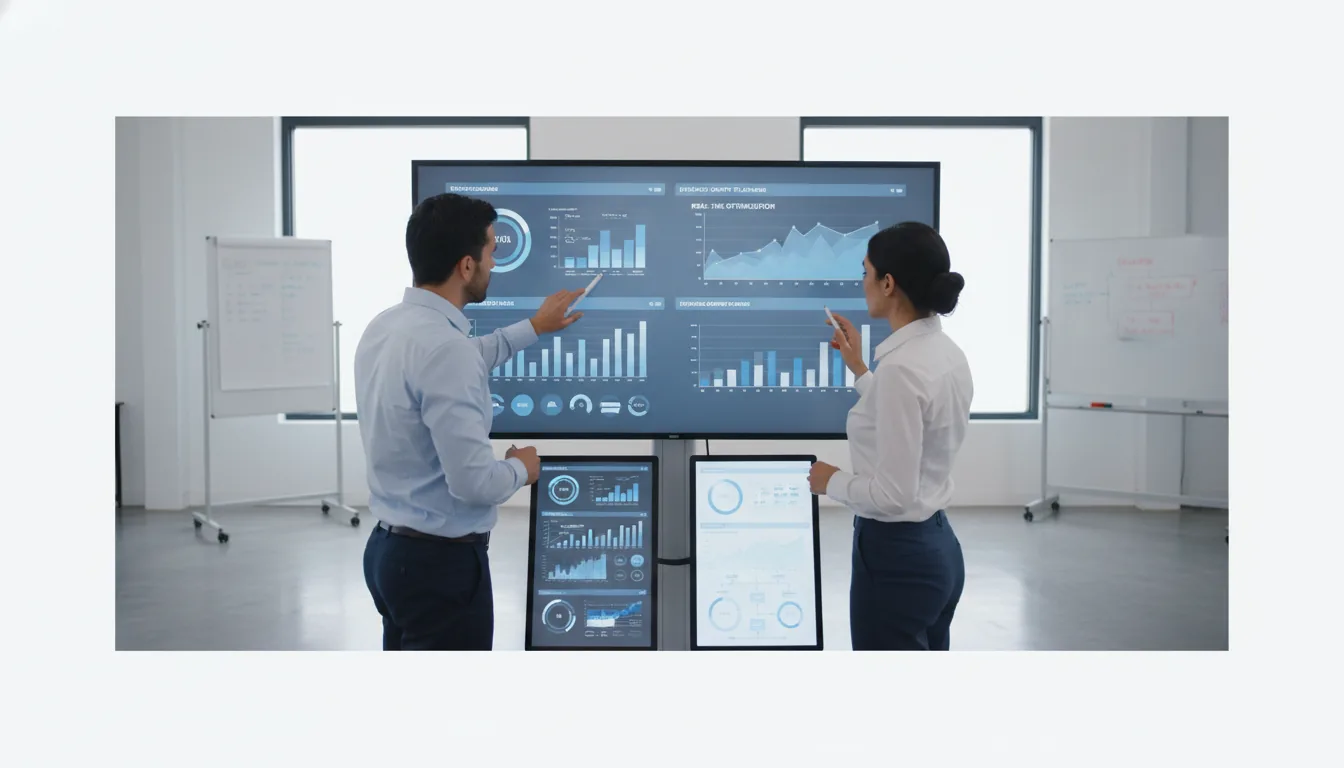
Keep the workforce model alive as expectations change.
DGL helps organizations establish an ongoing workforce evolution routine: listen to employees, review adoption evidence, adjust controls, refresh skills, and prioritize the next work improvements.
Quarterly work reviews examine friction, service demand, productivity evidence, and support needs.
Capability refresh cycles keep learning, governance, and knowledge current as tools mature.
Sustained ownership gives leaders a clear path to fund, improve, and scale what works.
Start with the work your teams most need to improve.
DGL can help shape a focused path for AI adoption, workforce enablement, governance, and measurable improvement.
Clarify the work, users, knowledge sources, and decisions that matter most.
Design the guardrails, learning model, pilots, and operating measures.
Scale the capabilities that reduce friction and improve employee confidence.